
 Appointment Request
Clear Aligners – Vero Beach, FL
Straightening Smiles Without Brackets and Wires
You may be familiar with traditional orthodontic methods of straightening teeth, but metal brackets and wires are not the only option for improving the alignment of your grin. With clear aligners from Ocean Oaks Dental Group of Vero Beach, you can straighten your teeth in a way that doesn’t affect your professional appearance or disrupt your normal lifestyle. To see if clear aligners are right for you, please call our dental office today to set up an appointment to learn more about clear aligners from our Vero Beach, FL dentist.
Why Choose Ocean Oaks Dental Group of Vero Beach for Clear Aligners?
- Reliable ClearCorrect Aligners
- Team of Skilled Dental Experts
- Focus on Quality Results
How Clear Aligners Work
We will examine your teeth to determine what changes have to be made, then take impressions to have a set of clear aligners made. Each clear aligner is worn for about 20 to 22 hours a day, and you’ll switch to a new one after a given period of time. As the aligners push your teeth into place, you’ll gradually move closer and closer to your ideal smile. You’ll be able to take your aligners out to eat or brush your teeth.
Benefits of Clear Aligners

Clear aligners are one of the most popular ways to address dental misalignment and achieve a straighter smile! When you understand the many benefits offered by this treatment, it is easy to see why so many patients choose it. When you visit our Vero Beach office for your consultation, we can personally explain the benefits that this treatment offers for your lifestyle. In the meantime, here is a general overview of some of the perks you can expect throughout your experience with clear aligners:
Comfortable Treatment
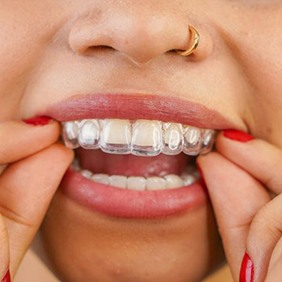
All orthodontic treatments cause a degree of discomfort as they apply pressure to the teeth. However, clear aligners tend to cause less pain than regular braces because they are made of smooth plastic. There are no brackets and wires to irritate sensitive soft tissues. Plus, since you should switch to new aligners every two weeks or so, your tooth movements may be more gradual than what is normally achieved with braces, which may be adjusted every 6 – 8 weeks.
Discretion

You deserve to have a confident smile throughout your treatment with clear aligners. These plastic trays are transparent, so they do not call a lot of attention to themselves as long as you keep them clean and in good condition. They are ideal for anyone who wants to project a professional image.
Easier Dental Hygiene

With traditional metal braces, you are required to navigate around brackets and wires when you brush and floss. That can be time-consuming and tedious! With clear aligners, oral hygiene is more straightforward. All you have to do is take the trays out of your mouth and brush and floss as normal. You also need to carefully clean the trays themselves to remove saliva or debris that might be attached to them.
Quick Follow-Ups

You will need to visit us periodically throughout your treatment period so we can monitor your progress, answer questions, and address any issues that might come up. In most cases, these appointments are brief (15 – 30 minutes), so they should cause minimal disruption to your busy routine. If your treatment plan ever needs any adjustments, you may need a longer visit.
No Dietary Restrictions

Dietary restrictions are no fun! Unfortunately, regular braces make it difficult or impossible to eat many foods. Clear aligners are not like that. Since you remove them at mealtimes, you can continue to enjoy all of your favorite snacks and treats. Of course, you should still focus on nutritious items and avoid foods that may cause discomfort when your mouth is tender or sore.
Treatment for Busy Lifestyles

Clear aligners are designed to integrate well into a variety of lifestyles. They are convenient and can be used by almost anyone, including musicians, professionals, and even some athletes. Ask our team if they are a good fit for your personal circumstances. We will be happy to explain any adjustments you might need to make in order for your treatment to succeed.
Who Can Clear Aligners Help?
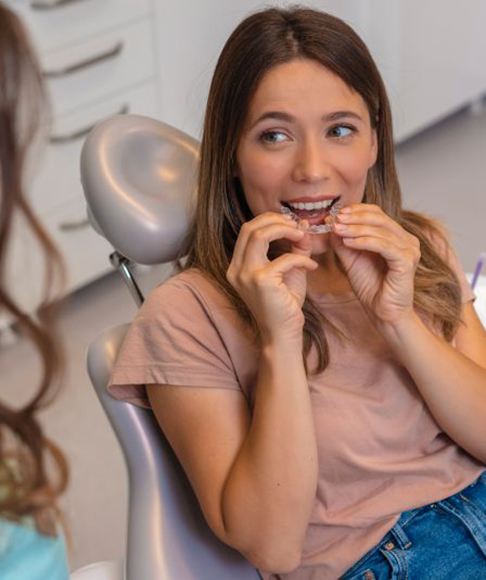
ClearCorrect aligners from our Vero Beach team are a great option for most patients with mild to moderate dental misalignment. During your consultation, we will assess the positioning of your teeth and other relevant factors that have a bearing on whether this treatment is right for you. Clear aligners are effective for addressing a range of orthodontic issues, including many cases of the following:
Crowded Teeth
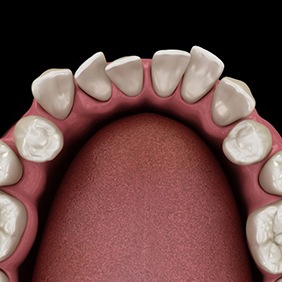
Crowded, overlapping teeth can make brushing and flossing more difficult, thereby raising the risk of plaque buildup, cavities, and gum irritation. Clear aligners may help by gently guiding the teeth into better alignment, creating a cleaner, more balanced smile. In certain cases, one or more extractions might be necessary to create room for all the teeth to be well-aligned.
Gaps Between Teeth
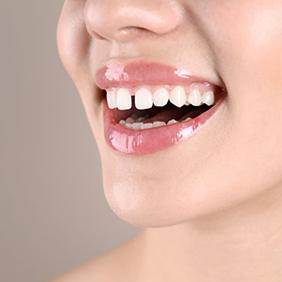
Gaps between teeth can develop when teeth are small in relation to the jaw, when teeth shift, or when spacing remains after childhood development. These spaces open your gums to irritation, affect the way your upper and lower teeth meet, and may even leave you feeling self-conscious about your smile. Clear aligners are often able to get rid of gaps by moving teeth closer together.
Overbite
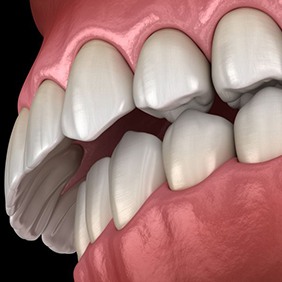
An overbite occurs when the upper teeth sit too far in front of the bottom teeth. A deep overbite can contribute to uneven tooth wear, jaw discomfort, gum irritation, or strain while biting and chewing. In many mild to moderate cases, clear aligners — along with appropriate accessories — may help by gradually shifting the teeth and training the lower jaw to rest in a better positioning.
Underbite
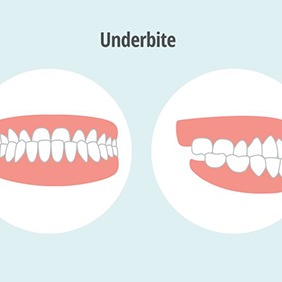
An underbite occurs when the lower teeth sit in front of the upper teeth. This bite pattern can make chewing less efficient, contribute to uneven enamel wear, and place added stress on the jaw joints. Clear aligners may be able to help certain mild to moderate underbites by guiding teeth into positions that support more balanced function.
Crossbite
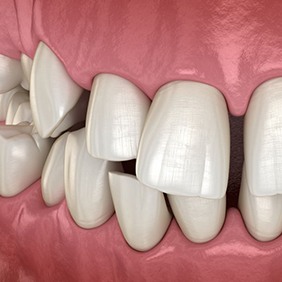
A crossbite occurs when some upper teeth fit inside the lower teeth instead of resting slightly outside them. Over time, this can lead to uneven tooth wear, gum recession, jaw strain, speech challenges, and more. Clear aligners may help correct select crossbites by moving the teeth in a way that allows the upper and lower arches to work harmoniously together.
Open Bite
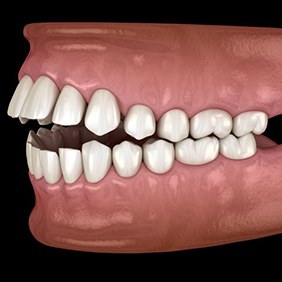
An open bite means the upper and lower front teeth do not touch properly when the mouth is closed, often leaving a visible space between them. This can make biting into foods more difficult, affect speech clarity, and place extra strain on certain teeth. Clear aligners are often an effective way to close an open bite.